
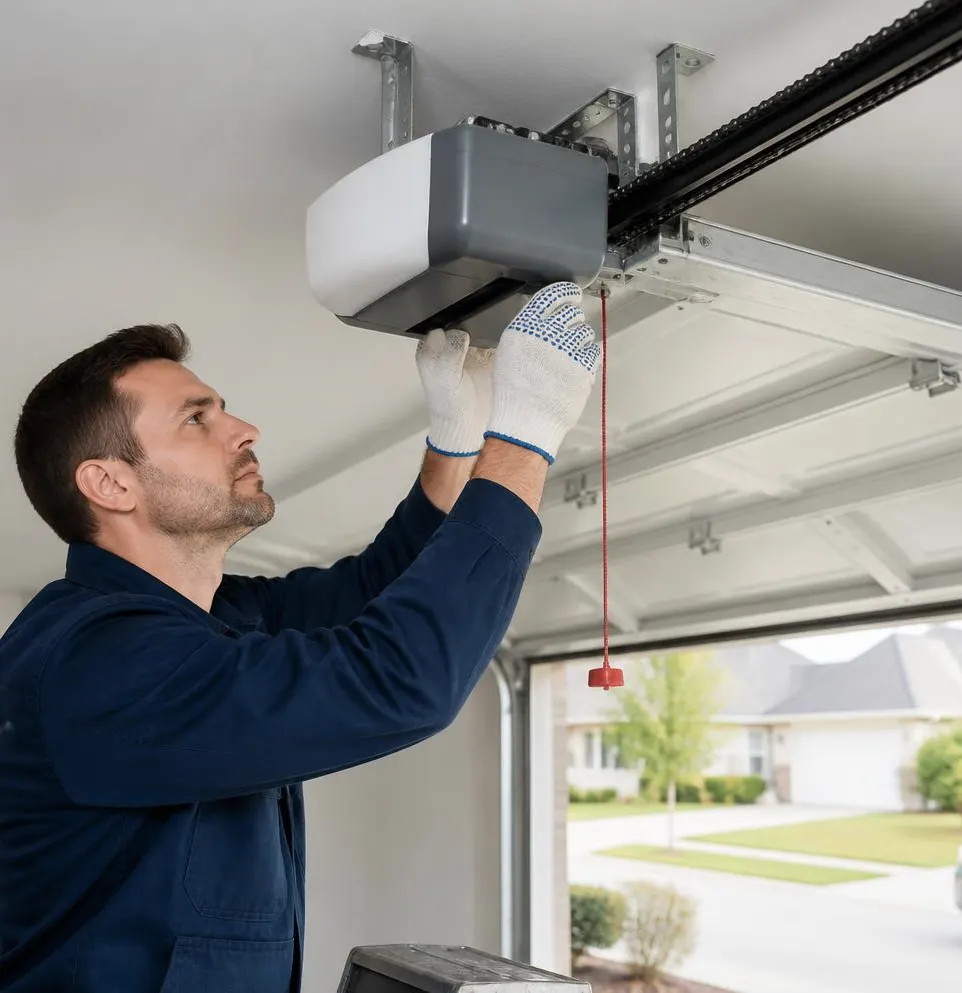
The Mistake: Reaching for the Spray Can First
As soon as the first cool, damp mornings show up, a lot of homeowners grab a can of spray lubricant and hit every moving part on the garage door, calling it winterized. It's an understandable move — it's fast, it feels proactive, and the door usually sounds quieter for a week or two afterward. The problem is what's already sitting on those parts. After a long dry season of dust, pollen, and the occasional haze of wildfire smoke, your rollers, hinges, and tracks are coated in fine grit. Spray lubricant on top of that grit doesn't lubricate anything — it turns the dust into a gray paste that grinds into the metal every time the door moves. By the time the winter rains arrive, you've accelerated wear instead of preventing it.
Real winter prep starts with cleaning, not lubricating, and it means looking at the door as a system that has to handle a very different season than the one it just came through.
What the Dry Season Left Behind
Months of little to no rain do a number on garage door hardware, even if nothing looks obviously broken:
- Dust and debris packed into the tracks, which can cause the rollers to bind or jump the track once moisture adds friction.
- Dried-out, UV-cracked weatherstripping along the bottom and sides, especially on doors that face west or get strong afternoon sun.
- Surface rust starting on springs and hinges, particularly for homes closer to the coast where salt air speeds up corrosion even during dry months.
- Loose fasteners and brackets that vibrated slightly looser over a season of heat expansion and contraction.
None of this is urgent in August. All of it becomes a problem once regular rain, higher humidity, and temperature swings show up.
Getting the Door Ready for Rain
Seals and Weatherstripping
Check the bottom seal and side weatherstripping for cracking, flattening, or gaps you can see daylight through. A compromised seal doesn't just let in water — it lets in wind-driven rain that can pool at the base of the door and seep toward stored items, vehicles, or a finished garage floor. Replacement seal kits are inexpensive and one of the highest-value DIY fixes before the rainy season starts.
Drainage Around the Slab
Look at the grading and any drainage channel right outside the garage door. If water pooled there during last year's rain, it will again. Clearing debris from that channel or adding a simple threshold seal can keep standing water away from the bottom seal and door panel edges, which matters most for homes where the garage sits at or slightly below the driveway grade.
Hardware, Springs, and Rust Prevention
Once tracks and rollers are wiped clean of dust, apply a garage-door-rated lubricant (white lithium grease or a silicone-based product, not a general-purpose spray) to hinges, rollers, and the springs themselves. For homes within a few miles of the coast, this is also the time to look closely at springs and bottom brackets for early rust spotting. Salt air accelerates corrosion on exposed metal, and a spring that's starting to pit is a spring that's wearing out faster than its rated cycle count.
Opener and Safety Sensors
Humidity and condensation can affect the photo-eye safety sensors near the bottom of the tracks, causing the door to reverse unexpectedly or refuse to close. Wipe both sensor lenses clean and confirm they're aligned — a blinking indicator light on one sensor usually means misalignment. If your opener runs on battery backup, check it now; winter storms bring the power blips that make that backup actually useful.
Balance and Auto-Reverse Test
With the door closed, disconnect the opener and lift the door manually about halfway. It should stay in place on its own. If it drifts down or feels heavy, the springs are losing tension and compensating poorly for the door's weight — a sign that spring replacement is coming up faster than expected. Separately, test auto-reverse by placing a roll of paper towels in the door's path; it should reverse immediately on contact.
A Word on Older Doors and Retrofits
If your home has an older garage door without reinforced bracing, this is also a reasonable time to have it checked along with winter prep, since older hardware is often the same hardware that would need upgrading in an earthquake retrofit. Bundling that inspection with seasonal maintenance saves a second service call later.
When to Call Costa Mesa Garage Door
If your door is sagging on one side, making a grinding noise even after cleaning, or the weatherstripping is too far gone for a basic kit to fix, it's time to bring in a technician rather than keep patching it. Our Garage Door Maintenance & Tune-Up service covers the full inspection — tracks, rollers, springs, cables, and sensor alignment — and catches wear before it turns into a failed spring on a rainy Saturday. If a spring test shows real wear, our Spring Replacement service gets it done safely with properly rated hardware, which isn't a job to DIY given the tension involved.
If you're in Costa Mesa, Newport Beach, Huntington Beach, Irvine, Fountain Valley, Santa Ana, Tustin, or Lake Forest and want your garage door checked before the rain settles in, call Costa Mesa Garage Door for a tune-up today.